
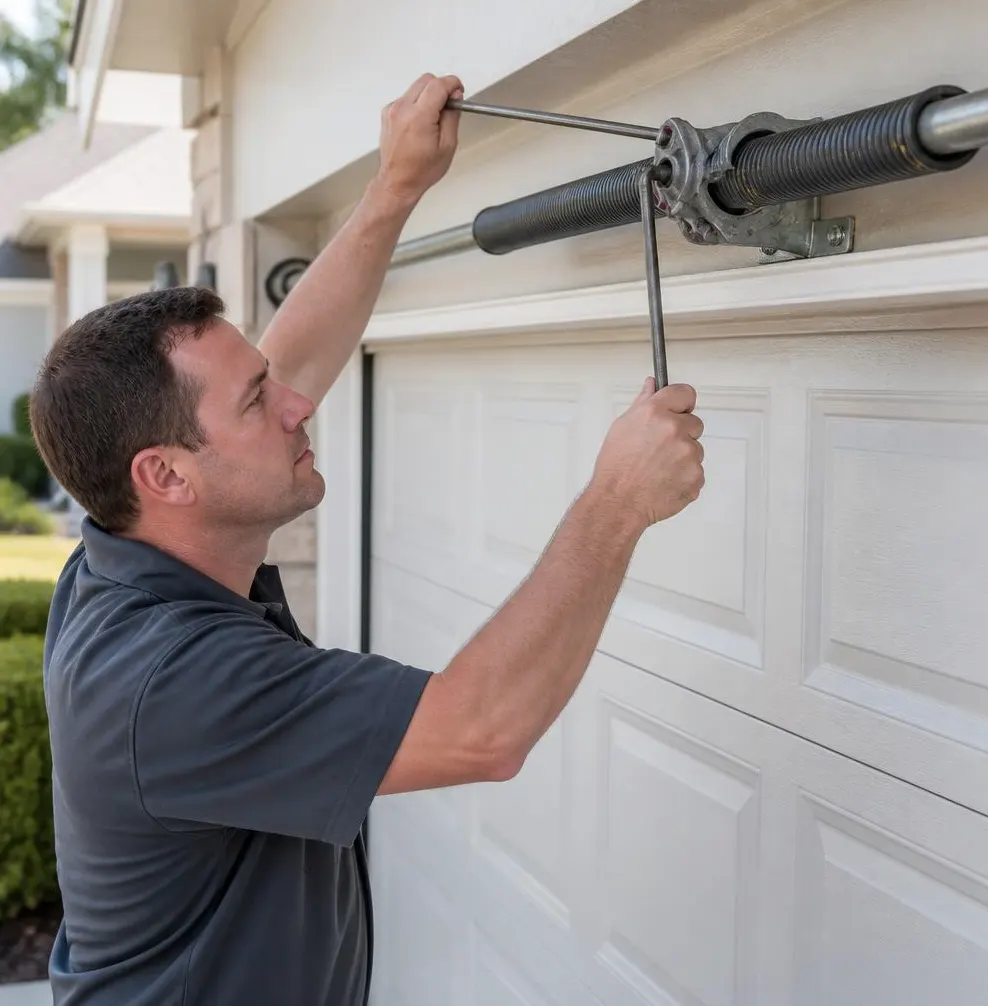
You pull into the garage, hit the opener, and the door groans, drags, or just sits there half-open. Maybe it's dented from a storm, or the bottom panel is swelling and sticking after a week of afternoon downpours. You stand there and think: is this a repair, or is it time for a whole new door? If you're leaning toward replacement, the next question is always the same one: what's this actually going to cost, installed?
Here's an honest breakdown, using national price ranges so you can see where your project is likely to land. Exact numbers depend on your door size, materials, and labor in your specific case, so treat these as planning ranges, not quotes.
Cost by Door Type
- Basic steel, non-insulated: roughly $700–$1,500 installed for a single-car door. This is the no-frills option — a flat or lightly embossed steel panel, single layer, minimal insulation value.
- Insulated steel (standard): roughly $1,000–$2,500 installed. Adds a foam core between two steel layers, which helps with temperature swings and cuts down on noise and flex in wind.
- Wood or composite overlay: roughly $2,000–$5,000+ installed. Real wood looks great but needs more upkeep in humid climates; composite overlay (steel core with wood-look cladding) splits the difference between looks and low maintenance.
- Custom carriage style: roughly $2,500–$7,000+ installed, depending on hardware, window inserts, and whether it's real wood, composite, or steel built to look like carriage doors. This is where decorative hinges, handles, and faux strap hardware add up fast.
- Double-wide (two-car) doors: generally run 30–60% more than the single-door equivalent in each category, since both the panel and the track/opener hardware scale up.
What Actually Moves the Price
Two doors that look similar in a showroom photo can price out very differently once you factor in the details:
- Insulation (R-value): A foam-filled door costs more upfront but holds temperature better in a garage that sits in direct sun most of the afternoon — relevant if your garage shares a wall with living space or you store anything heat-sensitive.
- Windows and decorative inserts: Glass panels, especially frosted or insulated glass, add cost and are one more seal that needs to hold up against wind-driven rain.
- Hardware package: Carriage-style doors often charge extra for decorative hinge straps, handles, and faux tie plates — purely cosmetic, but it's a real line item.
- Track and opener compatibility: If your current opener is older or undersized for a heavier insulated or wood door, you may need to upgrade it, which adds to the total project cost separate from the door itself.
- Removal and disposal: Taking out the old door, especially a heavy wood one, and hauling it away is usually its own line item.
- Wind-load rating: In storm-prone areas, doors built to meet higher wind-load standards — reinforced tracks, heavier-gauge steel, stronger end hinges — cost more than a standard-wind door, but they're worth it if you've watched a door flex or rattle during a bad storm.
Why Climate Should Factor Into Your Choice
Alabama's combination of heat, humidity, and hurricane-season storms changes the math a bit compared to a drier climate. A non-insulated steel door will handle the humidity fine structurally, but it won't do much to keep a hot garage cooler, and if your garage backs up to living space, that heat transfers. Wood doors look beautiful but are more prone to swelling, warping, and rust at the hardware points when they take on repeated moisture from afternoon downpours — if you want the wood look, a composite overlay on a steel core is usually the more durable long-term choice. And regardless of style, ask about wind-load bracing; a door that's rated to handle gusts is a smarter investment than a decorative one that flexes every time a storm rolls through.
Questions Worth Asking Before You Sign a Quote
- Does this price include the opener, or just the door panel and track?
- What's the wind-load rating, and is it appropriate for storm season here?
- What's the warranty on the finish — specifically against rust and fading?
- Is removal and haul-away of the old door included?
When to Call Montgomery Garage Door Pro
If your current door is rusting at the hinges, sagging on one side, or you're just tired of fighting with an opener that strains every time it lifts, it's worth having someone look at the whole system before you commit to a new door. Montgomery Garage Door Pro offers Garage Door Installation for everything from basic steel to custom carriage-style doors, and we'll walk the project with you — door style, insulation, wind-load needs, and whether your existing opener can handle the new weight or needs an upgrade through our Garage Door Opener Services. We'll also tell you honestly if a repair or spring replacement would solve the problem for less than a full replacement.
If you're in Montgomery, Prattville, Wetumpka, Millbrook, Pike Road, Deatsville, Tallassee, or Elmore and you're ready to talk through options and get a real number for your garage, give Montgomery Garage Door Pro a call. We'll come out, take a look, and help you pick a door that holds up to Alabama summers and storms alike.